FAST SHIPPING 2-3 DAY IN EUROPE WITH DHL EXPRESS
FREE SHIPPING FOR ORDERS OVER 70€
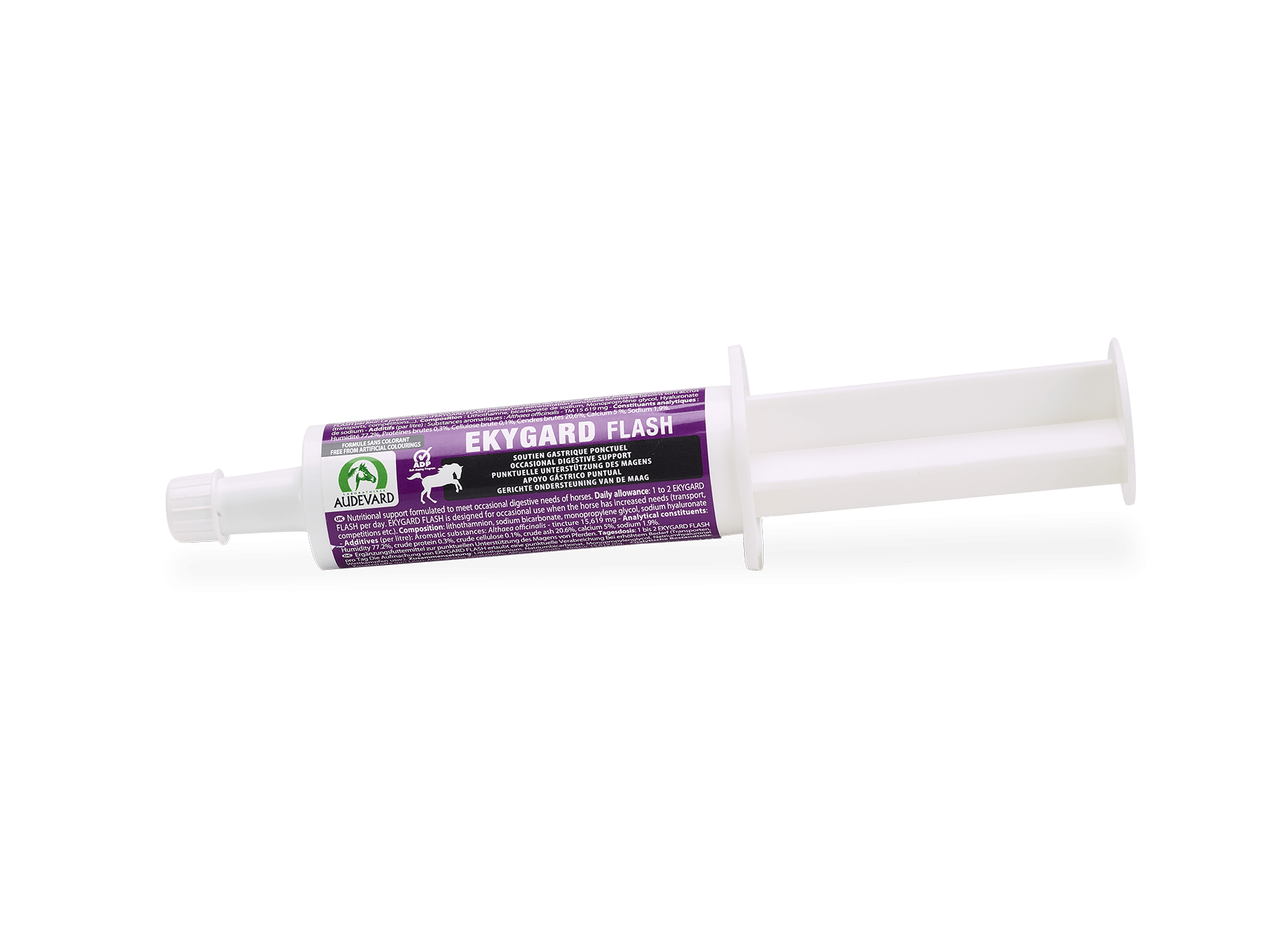

Product Sku: ekygard-flash-60ml
Audevard Ekygard Flash top choice for gastric issues and digestive ulcers.
Why Shop With Us:
🏆 Official Audevard Distributor: 100% Authentic products directly from the manufacturer & Fresh Stock
🚀 Fast Delivery in Europe: We ship the same day via DHL Express, ensuring your horse gets its supplement in just 2-3 business days.
🛡️ Scientific Support: As exclusive distributors, we provide expert scientific guidance for all Audevard products
💰 Bonus: Free shipping on all orders over 69€!
EKYGARD FLASH for horses undergoing intensive training, horses recovering from gastric ulcers, sick, weak foals, as well as in cases of indigestion, diarrhea, and horses affected by transport or relocation.
-Neutralizes stomach acid secretions.
-Increases the ph.
-Supports the neutralization of gastric ulcers.
-Dynamic contribution to the prevention of metabolic acidosis.
-Contributes to the healing action of mucosal ulcers and provides support for the regeneration of damaged intestinal villi. This makes it highly effective in supporting the treatment of gastrointestinal ulcers.
-Relieves urinary system and strengthens kidney function.
-It has a supportive action against the buildup of lactic acid, thereby protecting against stiffness and muscle fatigue.
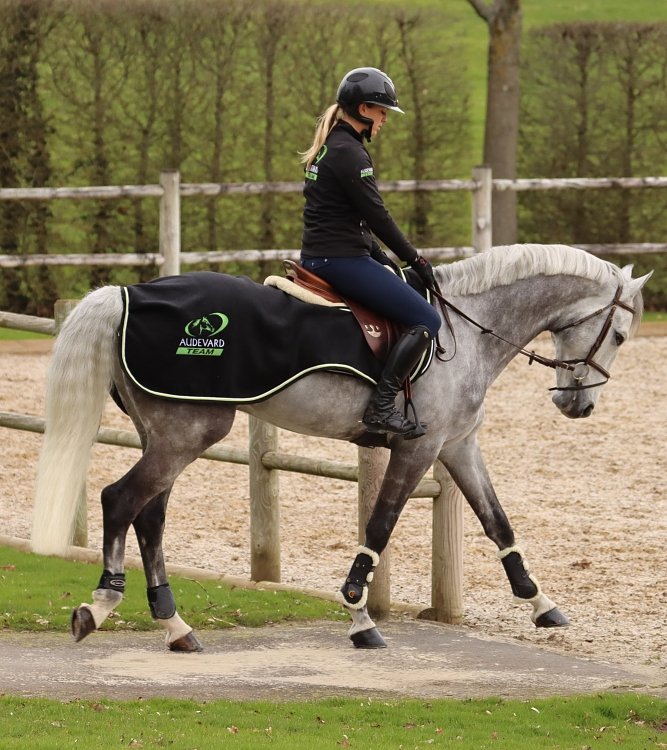
In horses, the gastric mucosa is often affected by the highly acidic environment of the stomach, especially during exercise or periods of stress. Acidity can impact the horse’s quality of life, its ability to absorb nutrients, and, naturally, its performance.
The EKYGARD FLASH formula contains bicarbonate salts, known for their buffering effect on stomach acids, Althaea officinalis, and hyaluronic acid, a natural component of connective tissue. Digestive issues, in addition to reducing performance, can lead to behavioral problems in horses as well as serious health complications.
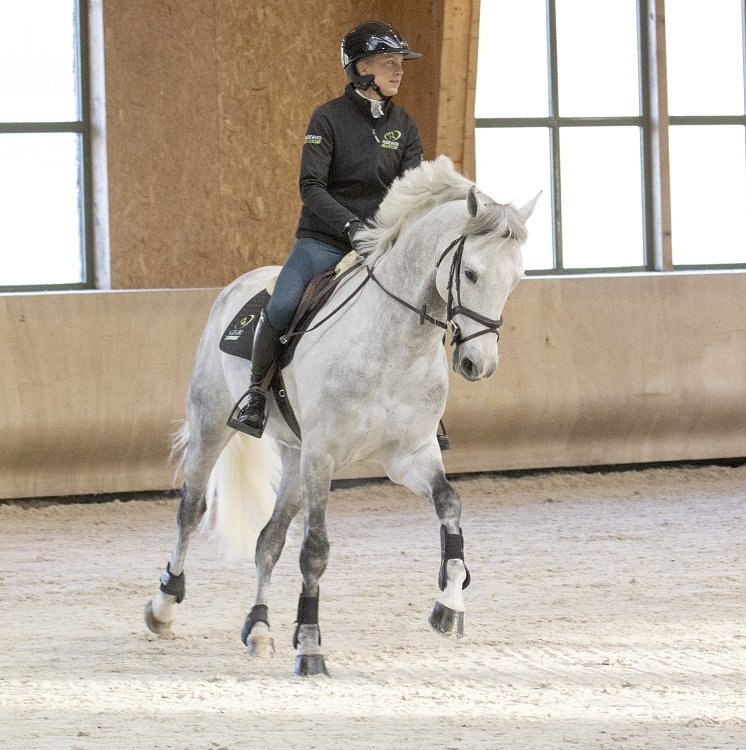
Ulcers negatively affect the performance of athletic horses due to the pain and discomfort they cause. They may show reduced endurance, unwillingness to run or jump, and delayed recovery after training or competition. They impact performance because they cause pain, discomfort, and stress, which directly affect the horse’s physical and psychological state. Specifically:
Contraction of abdominal muscles during running and jumping worsens the pain.
Poor digestion and nutrient absorption lead to decreased speed and endurance, reduced metabolism, and an average muscular system.
Behavioral changes: Pain can cause anxiety, nervousness, and irritability. A stressed horse becomes more difficult to focus and cooperate with the rider, reducing its willingness to jump obstacles.
Slow recovery: The metabolism and immune system are affected, delaying recovery after intense exercise, which impacts the quality of training sessions.
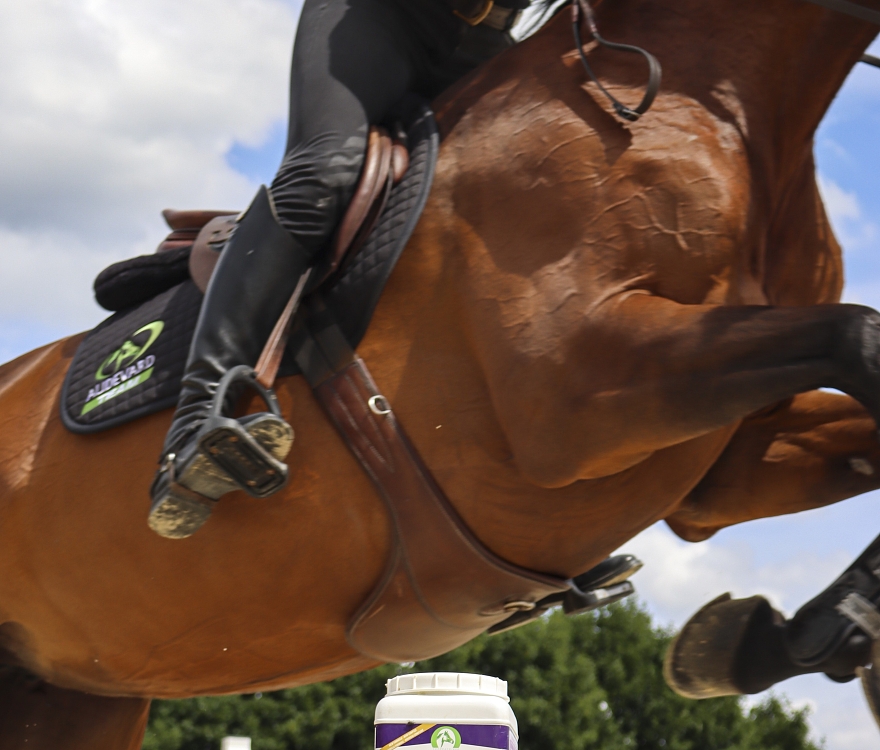
Avoidance of pressure on the abdominal area during jumping: Pressure from the saddle and tightening of the abdominal area can exacerbate the pain, causing the horse to hesitate or refuse to jump.
Complementary feed for horses Composition: Lithothamnium, sodium bicarbonate, monopropylene glycol, sodium hyaluronate. Additives (per liter): -2b- Aromatic substances: Althaea officinalis - TM 15,619 mg, apple flavor 5,100 mg, stevia extract (CoE 552) 3,000 mg. Analytical constituents: moisture 77.2%, crude protein 0.3%, crude cellulose 0.1%, crude ash 20.6%, calcium 5%, sodium 1.9%.


