FAST SHIPPING 2-3 DAY IN EUROPE WITH DHL EXPRESS
FREE SHIPPING FOR ORDERS OVER 70€
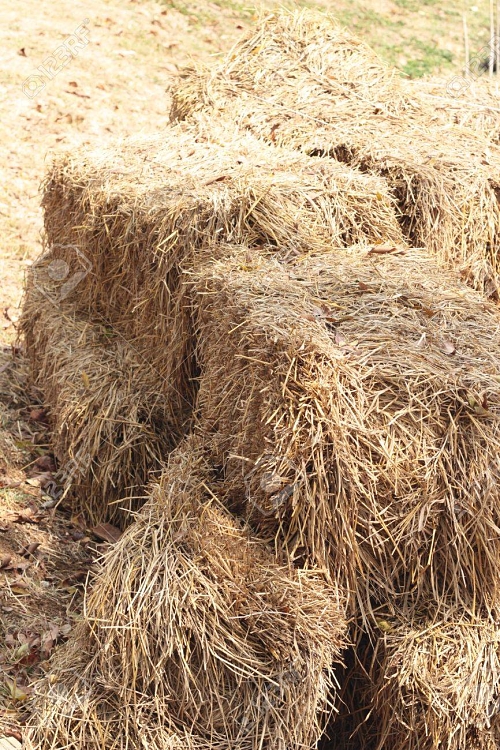
Mycotoxins are toxic metabolites produced by fungi (molds) that grow on horse feed, such as hay and grains. The danger with mycotoxins is that they are not always visible to the eye, they don't always have an odor, and they are extremely resistant to weather conditions and processing.
Their presence in the diet can cause anything from an unexplained drop in performance to serious organic health issues.
Chronic exposure to mycotoxins gradually burdens the horse's system. Key signs include:
Unexplained Weight Loss: The horse eats normally but fails to gain weight, as toxins destroy the gut's ability to absorb nutrients.
Dull Coat & Lethargy: The liver overworks in an attempt to detoxify the body, causing constant fatigue and poor external appearance.
Digestive Disorders: Mild, recurring colics or watery manure (diarrhea) not caused by parasites or sudden feed changes.
Reproductive Issues: Certain toxins directly affect fertility and can lead to abortions in mares.
Addressing mycotoxins is not based solely on cleaning and controlling the feed, but primarily on binding them within the digestive system before they can enter the bloodstream.
A complete detoxification and protection protocol must include:
Bentonite & Yeast Extracts with a high concentration of oligosaccharides (MOS): These ingredients act as "molecular magnets." They trap toxins in the gut and excrete them naturally through the manure.
Active Live Yeast (Saccharomyces cerevisiae): Unlike common inactive yeast, live culture acts as a probiotic, stabilizing gut pH and protecting the microflora from fungal-induced inflammation.
FOS Prebiotics: Provide the necessary "food" for beneficial bacteria, strengthening the intestinal barrier and preventing the re-absorption of harmful metabolites.
